
Air tools last for years when you keep them clean, fed, and lubricated, and almost all of that care comes down to three habits: controlling moisture, delivering the right pressure, and replacing worn consumables before they damage the tool. This guide covers daily, monthly, and annual routines, what to lubricate and with what, and the failure patterns that tell you what went wrong.
Key Takeaways

- Drain your compressor tank every day you use it — water is the number one killer of pneumatic tools.
- Run tools at their rated pressure, not the maximum your compressor can produce; over-pressuring wears motors and seals fast.
- Add 3–5 drops of air tool oil into the inlet before each use unless the tool is sealed-for-life or oil-free.
- Air line pressure drops across long, thin, or coiled hoses; measure at the tool, not the tank.
- Replace O-rings, seals, and worn chucks as soon as you notice air leaking — small leaks become big repairs.
- Store tools oiled and indoors, never on a concrete floor or in an unheated shop where condensation forms.
Why Moisture Destroys Air Tools
Compressed air is hot when it leaves the pump and cools as it travels through the line. That cooling condenses water vapor into liquid, which then travels with the air straight into your tool. Inside, water washes away lubricant, promotes rust on steel components, and causes varnish and sludge to form in air motors. Impact wrenches, ratchets, and die grinders are especially vulnerable because their internal vanes and bearings depend on a thin, consistent oil film.
The fix is a water separator or filter mounted as close to the tool as practical, plus a properly drained tank. If you spray a fine mist of water out of a blow gun, your separator is either missing, saturated, or installed too far upstream.
Drain the Tank Every Single Day
This is the single highest-value habit in air tool maintenance, and it takes thirty seconds. Moisture in the tank corrodes the interior, shortens tank life, and gets pushed downstream into every tool you own.
How to drain it properly
- Let the compressor cool and depressurize, or drain while it’s running if your manual allows it.
- Open the drain valve at the bottom of the tank — ball valves drain faster than petcocks.
- Let it run until the discharge is clear air, not rusty water.
- Close the valve firmly and check for weeping.
Pro Tip: If your compressor sits in a humid climate, fit an automatic timed drain valve. It costs less than one ruined impact wrench and removes the human error entirely.
Set Pressure at the Tool, Not the Tank
Every pneumatic tool has a rated operating pressure, usually printed on the housing or in the manual. Running above it accelerates wear on vanes, bearings, and seals; running below it makes the tool stall and work harder. The number on your compressor’s regulator isn’t the number reaching the tool.
Pressure drops across hose length, small inside diameters, quick-connects, and coiled hoses. A 50-foot, 1/4-inch coiled hose can lose 10–20 psi or more under flow. Install a mini regulator and gauge at the tool end of the hose so you’re setting the pressure that actually matters.
| Tool Type | Typical Rated Pressure | Common Over-Pressure Symptom |
|---|---|---|
| 1/2″ impact wrench | 90 psi | Premature vane and anvil wear |
| Die grinder | 90 psi | Bearing noise, spindle runout |
| Air ratchet | 90 psi | Seal blowout, oil misting |
| HVLP spray gun | 20–30 psi at the cap | Orange peel, poor atomization |
| Blow gun | 30 psi max (OSHA) | Serious injury risk |
That 30 psi limit for cleaning purposes is a regulatory requirement, not a preference — see OSHA’s compressed air cleaning guidance for the exact wording.
Lubricate Correctly, Every Time
Most air tools need oil. A few do not, and oiling them can cause problems.
- Oil these: impact wrenches, air ratchets, die grinders, drills, sanders, chisels, grease guns, and most inline tools.
- Don’t oil these: oil-free or “sealed for life” tools, most airless spray guns, and any tool whose manual explicitly forbids it.
The daily oiling routine
Put 3–5 drops of air tool oil into the male inlet fitting, reconnect the hose, and run the tool for a few seconds while pointing the exhaust away from you. That distributes oil across the motor.
For high-use shops, an inline lubricator on the drop leg does this automatically. Set it to deliver roughly one drop per minute of continuous running and check the reservoir weekly.
| Lubricant | Best For | Notes |
|---|---|---|
| ISO VG 32 air tool oil | Most impact wrenches, ratchets | Standard choice, widely available |
| ISO VG 10 or 15 | Die grinders, high-RPM tools | Thinner oil reaches fast bearings |
| Grease (NLGI #2) | Impact wrench anvil and hammer case | Applied at rebuild, not daily |
| Never use: motor oil, WD-40, ATF | — | Gums up vanes; WD-40 is a solvent, not a lubricant |
Filter, Regulate, and Lubricate as a System
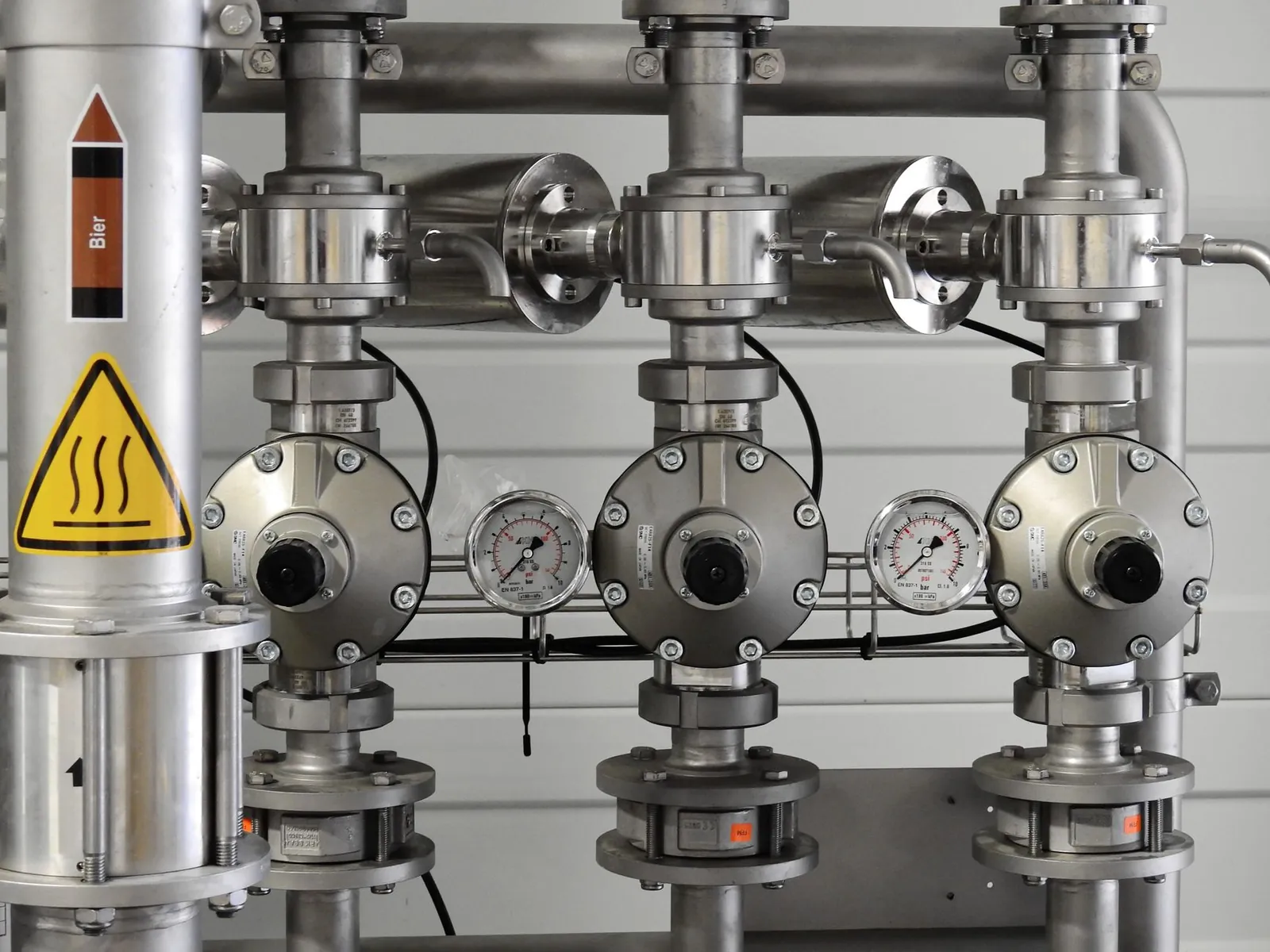
A FRL unit — filter, regulator, lubricator — is the standard three-stage air preparation setup in professional shops. The filter removes water and particulate, the regulator sets pressure, and the lubricator adds oil. Install it on each drop leg where tools connect, and drain the filter bowl daily.
Keep spare filter elements on hand and swap them when the pressure drop across the unit becomes noticeable or the bowl discolors. A clogged element starves every tool downstream.
Inspect Hoses, Fittings, and Couplers
Hoses and couplers fail more often than tools do, and they cause most mysterious performance complaints.
- Check for cracks, bulges, and abrasion along the full length, especially near fittings.
- Verify couplers lock positively — a coupler that pops loose under pressure is a projectile hazard.
- Match inside diameter to the tool’s air demand; 3/8-inch hose feeds most impact tools better than 1/4-inch.
- Replace any hose with a bulging jacket immediately, no exceptions.
Warning: Never use a compressed air hose to clean yourself or others off. Even at reduced pressure, air can enter the bloodstream through a break in the skin and cause a fatal embolism.
Consumables Wear Out First
Before you suspect the tool, check the parts designed to wear.
| Consumable | Typical Replacement Interval | Failure Sign |
|---|---|---|
| Impact wrench socket retainer ring | 6–12 months of daily use | Sockets fall off |
| O-rings and seals | 1–2 years | Air leaking at joints |
| Die grinder collet | 6–12 months | Bit slippage, runout |
| Filter element | 3–6 months | Pressure drop, dirty bowl |
| Quick-connect coupler | 1–2 years | Leaks, poor lockup |
Buy these as rebuild kits from the tool manufacturer rather than generic assortments. Fit matters more than price on seals.
Store Tools the Right Way
Storage is where good habits either hold or fall apart.
- Oil the tool before putting it away, not just before using it.
- Disconnect the hose so no pressure sits against the seals.
- Wipe off grime and metal dust — abrasive dust is the enemy of anodized housings and triggers.
- Store in a dry cabinet or drawer, not on a concrete floor where moisture wicks upward.
- Hang hoses with the ends capped to keep insects and debris out.
A Simple Maintenance Schedule
| Frequency | Task |
|---|---|
| Every use | Drain tank, oil tool, check hose, blow out coupler |
| Weekly | Drain filter bowl, inspect hoses, check coupler lockup |
| Monthly | Clean or replace filter element, check regulator accuracy, inspect tool housings |
| Annually | Full teardown and reseal of high-use tools, replace worn consumables, pressure-test the system |
Print this and tape it to the compressor. Consistency beats intensity.
Troubleshooting Common Problems

Tool runs but has no power
Almost always a pressure or volume problem, not a tool problem. Check the regulator setting at the tool, then the hose diameter, then the filter element. A partially clogged filter or an undersized coupler will starve a tool while the gauge at the tank reads fine.
Oil misting out of the exhaust
You’re over-oiling, or the tool’s internal seals are worn. Reduce to 3 drops and recheck. If misting continues, the motor seals need replacement.
Tool is sluggish when cold
Cold thickens lubricant and stiffens seals. Let the tool warm up by running it unloaded for 15–30 seconds, and switch to a lighter ISO VG 10 oil in winter.
Water spitting from the exhaust
Your separator is saturated or missing. Drain the tank, drain the filter bowl, and consider adding a refrigerated dryer if the problem persists.
Rust inside the tool
Condensation is getting through. Add a desiccant dryer at the point of use and never store tools connected to a pressurized line.
Frequently Asked Questions
How often should I oil my air tools?
Oil before every use with 3–5 drops of air tool oil, or install an inline lubricator that doses automatically. Tools in continuous daily production use benefit from an inline lubricator set to roughly one drop per minute of run time. Oil-free and sealed-for-life tools should never be oiled.
Can I use motor oil or WD-40 instead of air tool oil?
No. Motor oil is too thick and leaves varnish on vanes, while WD-40 is a solvent that strips existing lubricant and evaporates. Both shorten tool life. Use ISO VG 32 air tool oil for most tools and ISO VG 10 for high-RPM tools like die grinders.
Why does my impact wrench keep losing power?
Check pressure at the tool first — a long or narrow hose can drop 10–20 psi under flow. Then check the filter element and coupler. If air delivery is fine, the vanes inside the motor are likely worn and the tool needs a rebuild kit.
Do I need a water separator and a lubricator?
Yes, ideally both, plus a regulator — that’s the FRL setup. The separator keeps water out of the tool, the regulator sets correct pressure, and the lubricator oils the motor. Skipping the separator is the most common cause of internal rust.
How do I know when to rebuild an air tool?
Rebuild when the tool loses noticeable power despite correct pressure, leaks air at the housing joints, or produces abnormal bearing noise. Most manufacturers publish a rebuild interval, commonly 1,000–2,000 hours of run time for production tools.
Is it bad to leave air tools connected to the hose?
Yes. Constant pressure against the seals causes them to take a set and leak, and it keeps the tool under load. Disconnect and oil tools before storage, and relieve hose pressure at the end of every shift.
Conclusion
Start today with the thirty-second habit: drain the tank, add three drops of oil, and set pressure at the tool. Do that consistently and your pneumatic tools will outlast the compressor that feeds them.