Air tools—impact wrenches, nailers, die grinders, ratchets—deliver a huge amount of force from a small package, and that’s exactly what makes them dangerous. Most injuries don’t come from a defective tool; they come from a missing step: no eye protection, a cracked fitting, a whip hose left on. This guide covers air tool safety tips you can apply today, from pre-use inspection to safe shutdown, plus a quick troubleshooting table and answers to the questions people ask most.
Key Takeaways

- Wear ANSI Z87.1 safety glasses every time—flying debris and air blasts cause the majority of eye injuries, and regular prescription glasses aren’t a substitute.
- Inspect hoses, fittings, and couplers before every use; a cracked or worn hose under pressure can whip and strike you or a coworker.
- Match the PSI to the tool’s rating—never exceed the maximum marked on the tool body, and never use compressed air to clean your skin or clothing.
- Install a safety clip or locking pin on every hose-to-tool connection so a coupler can’t pop loose under pressure.
- Disconnect the air supply and bleed residual pressure before changing bits, sockets, or fasteners.
- Use the right impact-rated accessories—standard chrome sockets can shatter under impact loads.
Understand the Real Risks
Compressed air is deceptively dangerous because the hazard isn’t visible. A pinhole leak in a hose can inject air directly into skin, causing an air embolism—a medical emergency. Hoses that separate under pressure become whips that can cause serious blunt-force injuries. And the noise from many air tools exceeds 90 decibels, which is loud enough to cause permanent hearing damage with prolonged exposure.
The Occupational Safety and Health Administration (OSHA) sets requirements for compressed air use in general industry, including rules about pressure limits for cleaning and the guarding of tools. Knowing these baseline rules helps you understand why each precaution exists rather than just following a checklist blindly.
Pro Tip: Treat every air tool as if it’s still pressurized until you’ve physically disconnected it and bled the line—residual pressure in a hose can fire a fastener or spin a bit unexpectedly.
Personal Protective Equipment
PPE is your last line of defense, and for air tools it’s non-negotiable.
- Eye protection: ANSI Z87.1-rated safety glasses or goggles. For grinding or chipping, add a face shield over the glasses.
- Hearing protection: Earplugs or earmuffs rated for the noise level. Many impact wrenches and die grinders run above 90 dB.
- Hand protection: Impact-resistant gloves for handling sockets and hot fasteners. Avoid loose gloves near rotating tools—they can catch.
- Respiratory protection: A dust mask or respirator when blowing debris or working in dusty environments.
- Foot protection: Steel-toe boots if you’re handling heavy tools or working overhead.
Warning: Never point an air nozzle at yourself or anyone else. Even at low pressure, air can penetrate skin and enter the bloodstream, and the injury often isn’t obvious until serious complications develop.
Inspect Before Every Use
A two-minute inspection prevents most accidents. Build this into your routine.
| Check | What to Look For | Action if Found |
|---|---|---|
| Hose | Cracks, bulges, abrasion, soft spots | Replace immediately |
| Fittings/couplers | Wear, corrosion, missing safety clip | Replace before use |
| Tool housing | Cracks, loose screws, damaged trigger | Tag out and repair |
| Air filter/regulator | Clogging, wrong pressure setting | Clean or reset |
| Accessories | Cracks in sockets, worn bits | Discard, don’t reuse |
Run through this table before you connect anything. If a component fails any check, don’t “make it work”—remove it from service.
Handle Hoses and Connections Safely
Hoses are where a lot of injuries start. Follow these rules:
- Use a safety clip or locking pin at every coupler connection so the hose can’t disconnect under pressure.
- Keep hoses off the floor where they can be tripped over or run over—use hose reels or overhead drops.
- Never carry a tool by its hose, and never yank a hose to move a tool.
- Keep hoses away from heat, oil, and sharp edges that can degrade the rubber.
- When disconnecting, shut off the air supply first, then bleed the line before uncoupling.
Pro Tip: Install a whip hose (a short, flexible hose) between the tool and the main hose. It absorbs vibration and reduces strain on the coupler, which extends the life of both.
Set the Right Pressure
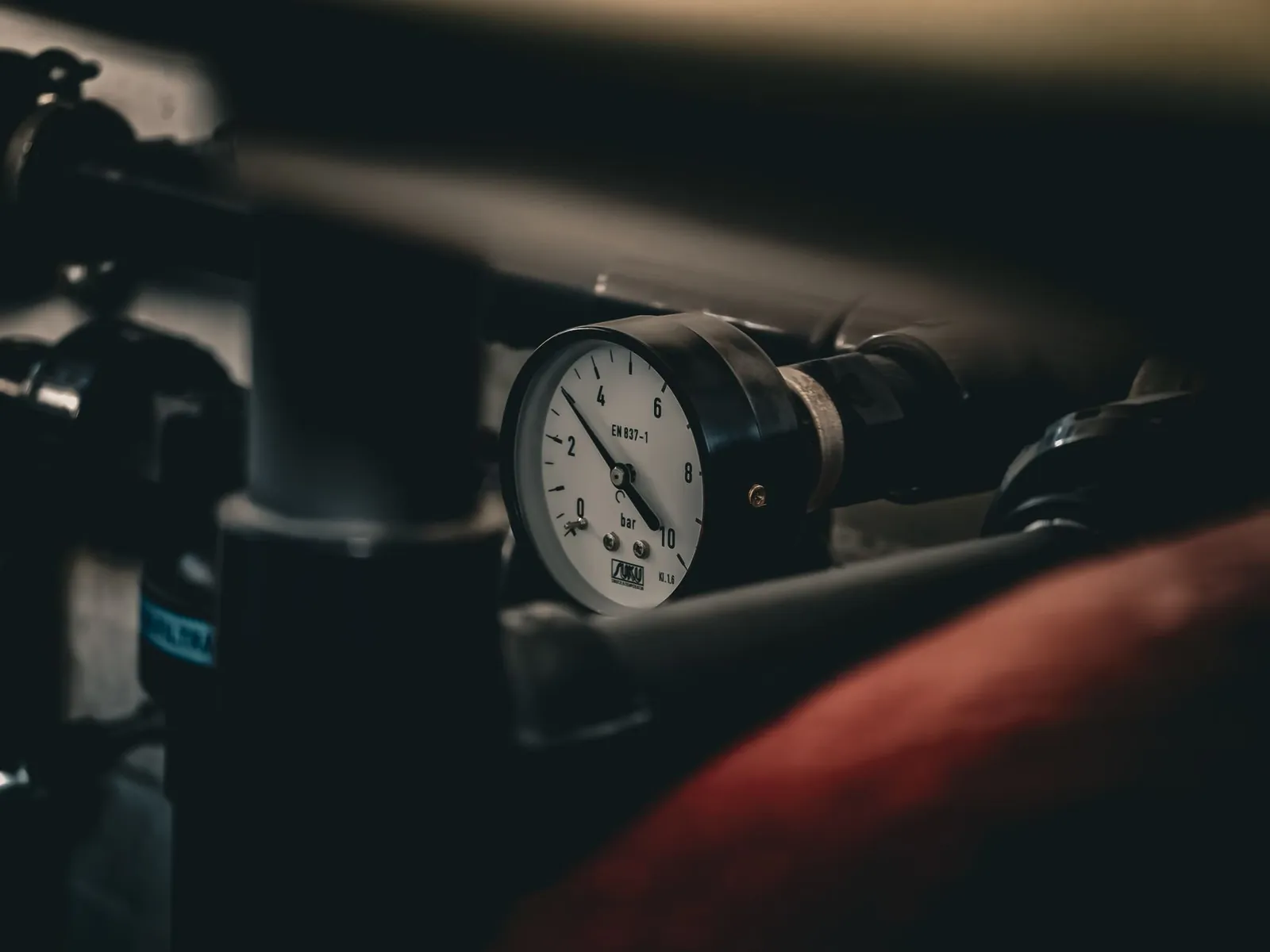
Every air tool has a maximum operating pressure stamped on it. Exceeding that pressure doesn’t make the tool work better—it wears it out faster and increases the risk of a fitting or hose failure.
- Check the tool’s rating before connecting.
- Use a pressure regulator at the point of use, not just at the compressor.
- Verify pressure with the tool running, not just static—pressure drops when air flows.
- Never use compressed air to clean your clothes or skin. Use a vacuum or brush instead.
Use Impact-Rated Accessories
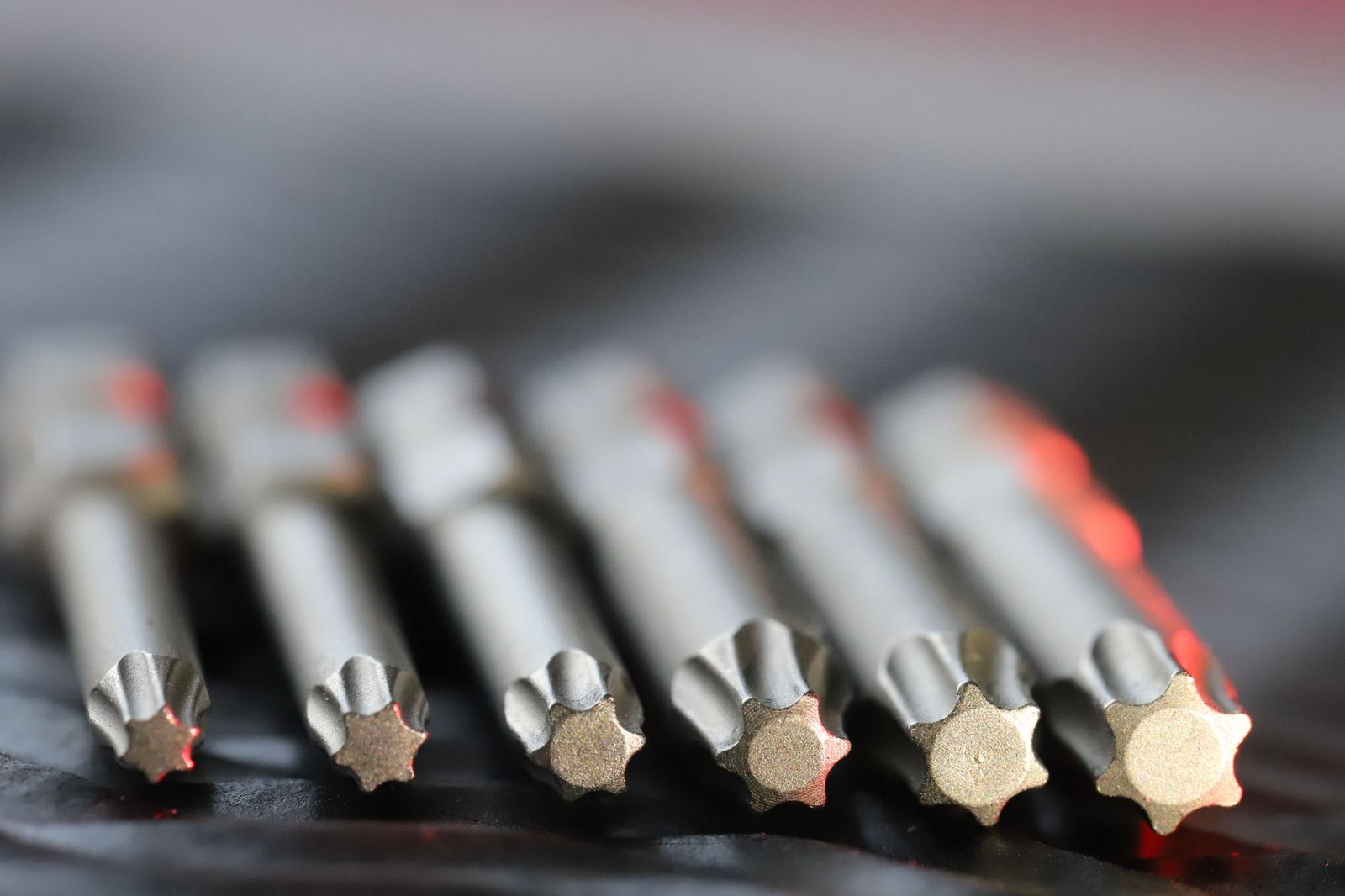
This is a common and dangerous mistake. Standard chrome sockets and extensions are hardened for hand tools, not for the repeated shock loads of an impact wrench. Under impact use, they can crack and shatter, sending metal fragments flying.
| Accessory | Safe for Impact Use? | Why |
|---|---|---|
| Chrome sockets | No | Brittle under shock loads; can shatter |
| Impact sockets (black oxide) | Yes | Softer steel absorbs shock |
| Standard extensions | No | Can crack at the drive end |
| Impact extensions | Yes | Designed for torque spikes |
| Adapters | Only if impact-rated | Cheap adapters fail first |
Safe Operating Practices
Once you’re set up, how you use the tool matters just as much.
- Grip firmly and keep your body balanced—recoil from an impact wrench can twist your wrist or knock you off balance.
- Keep fingers clear of the trigger until you’re ready to work.
- Don’t overreach. Position yourself so you have control if the tool kicks.
- Secure the workpiece. A spinning socket on a loose nut can send it flying.
- Let the tool do the work. Pushing harder doesn’t speed up an impact wrench; it just wears the tool and risks slipping.
- Watch for hot surfaces. Friction heats bits, sockets, and fasteners quickly.
Warning: Never modify a tool’s safety features—no taped triggers, no removed guards, no defeated dead-man switches. These exist to protect you.
Maintain Your Tools
Maintenance keeps tools safe and extends their life.
- Lubricate pneumatic tools daily with the manufacturer’s recommended air tool oil.
- Drain the compressor tank regularly to prevent moisture from reaching the tool.
- Clean air filters and replace them on schedule.
- Inspect and replace worn O-rings, seals, and springs.
- Store tools in a clean, dry place—moisture causes internal rust.
Troubleshooting Common Problems
| Symptom | Likely Cause | Fix |
|---|---|---|
| Tool loses power | Low pressure, clogged filter, worn motor | Check regulator, clean filter, service tool |
| Air leaking at coupler | Worn O-ring or fitting | Replace O-ring or coupler |
| Excessive vibration | Worn bearings, unbalanced accessory | Service tool, replace accessory |
| Tool won’t start | No air, stuck trigger, internal failure | Check supply, inspect trigger, repair |
| Overheating | Low oil, restricted airflow | Lubricate, check air lines |
Train Everyone Who Uses Air Tools

Even experienced mechanics benefit from a refresher. Training should cover:
- How to read the tool’s pressure rating and set the regulator.
- Correct PPE for each tool type.
- Inspection procedures and how to tag out a failed tool.
- Emergency response for air injection injuries—seek medical attention immediately and tell the provider it was a compressed-air injury.
New users should be supervised until they demonstrate safe habits consistently.
Frequently Asked Questions
What pressure should I set my air tool to?
Set it to the maximum operating pressure stamped on the tool, never higher. Most pneumatic tools run between 70 and 90 PSI, but always check the specific tool’s rating. Use a regulator at the point of use and verify pressure while the tool is running, since pressure drops under flow.
Can compressed air hurt my skin?
Yes, seriously. Compressed air can inject through skin into tissue and the bloodstream, causing air embolism, which can be fatal. Never use compressed air to clean skin or clothing. Even a small pinhole leak in a hose is dangerous—inspect hoses regularly and replace damaged ones immediately.
Why do impact sockets matter?
Standard chrome sockets are hardened and brittle. Under the repeated shock loads of an impact wrench, they can crack and shatter, sending metal fragments flying. Impact sockets are made from softer steel that absorbs shock. Always match the accessory to the tool—use impact-rated sockets and extensions.
How often should I oil my air tool?
Most manufacturers recommend lubricating pneumatic tools daily or before each use, depending on duty cycle. Use the oil specified in the manual and add it through the tool’s air inlet. Consistent lubrication prevents internal wear, keeps the tool running at rated power, and reduces overheating.
What should I do if a hose bursts?
Shut off the air supply at the compressor or nearest valve immediately, then bleed the line before approaching. A whipping hose can cause serious injury, so keep clear until pressure is fully released. Inspect the hose, replace it, and check for damage to nearby equipment or people before resuming work.
Do I need hearing protection for air tools?
Yes, if the tool’s noise level exceeds 85 decibels, which most impact wrenches and grinders do. Prolonged exposure above 85 dB can cause permanent hearing loss. Use earplugs or earmuffs rated for the noise level, and limit exposure time when possible.
Conclusion
Air tool safety comes down to habits: inspect before you connect, match pressure and accessories to the tool, wear your PPE, and disconnect and bleed before you change anything. Pick one habit to fix this week—start by checking every hose and coupler in your shop and replacing anything worn. Small corrections now prevent the injuries that happen when a fitting finally lets go.