For most people, a 1/2-inch drive air impact wrench with a twin-hammer mechanism and around 600–700 ft-lbs of torque is the right pick — it covers lug nuts, suspension bolts, and most garage jobs without overspending. If you’re only touching small fasteners, a 3/8-inch compact model wins instead.
Air impact wrench types compared
The right wrench depends on how much torque you need, how much air your compressor can supply, and how often you’ll use it. Here are the four real options side by side.
| Method | How long | Effort | Cost | Best for |
|---|---|---|---|---|
| 3/8″ compact pneumatic | Setup in minutes | Low | Low | Small bolts, engine work |
| 1/2″ twin-hammer pneumatic | Setup in minutes | Low | Medium | Lug nuts, general repair |
| 3/4″ or 1″ heavy-duty pneumatic | Setup in minutes | High | High | Trucks, heavy equipment |
| Cordless electric impact | Charge time only | Low | High | No compressor on hand |
The pneumatic models all need a compressor that matches their air consumption — check the CFM rating on the tool against your compressor’s output before buying. Cordless skips that problem but costs more upfront and adds battery weight.
Picking a 1/2-inch pneumatic wrench
This is the workhorse size for home and shop use. Match the tool’s CFM rating to your compressor first, or it won’t hit its rated torque.
- Check your compressor’s CFM at 90 PSI. A typical 1/2″ wrench needs roughly 4–5 CFM; if your compressor delivers less, torque drops.
- Choose a twin-hammer or pin-clutch mechanism. Twin-hammer hits harder and smoother; pin-clutch lasts longer but vibrates more.
- Set the working torque to 50–75% of the tool’s max for lug nuts, then finish by hand with a torque wrench.
- Use a 3/8″ air hose at minimum — a thin hose starves the tool and cuts power.
- Add 2–3 drops of air tool oil into the inlet before each use.
It’s fast, light, and cheap to run. The weakness: you need a real compressor, and the noise can exceed 90 dB, so wear hearing protection. The CDC’s NIOSH noise guidance explains safe exposure limits.
Going cordless instead
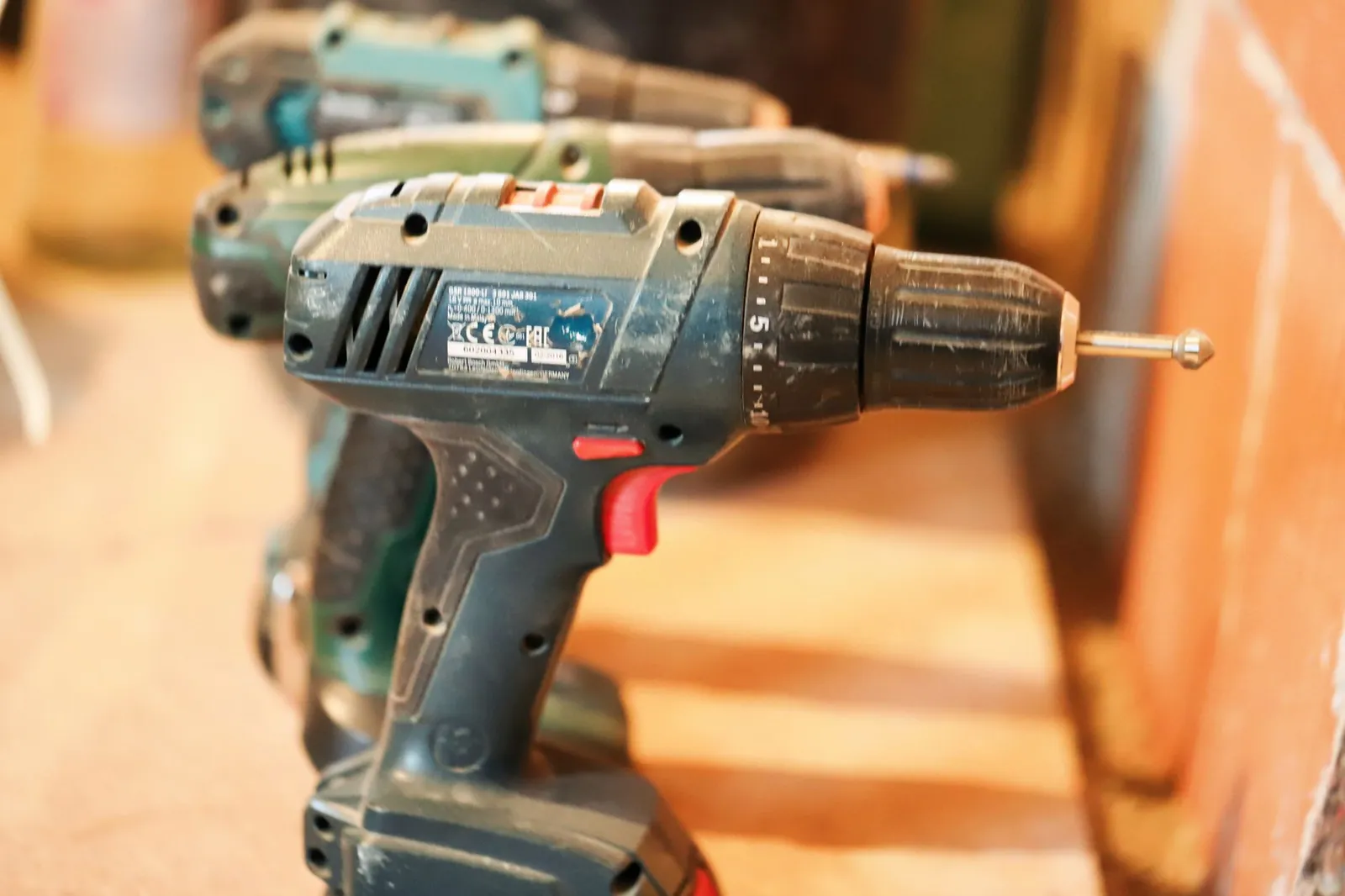
Cordless impact wrenches run on a battery pack, so there’s no hose and no compressor. Modern high-voltage models now rival pneumatic torque for many jobs.
- Pick a voltage that matches your battery platform — 18V or 20V covers most home jobs.
- Check the rated torque in ft-lbs. Look for a “nut-busting” figure, not just fastening torque.
- Choose the drive size: 1/2″ for lug nuts, 3/8″ for smaller fasteners.
- Charge the battery fully before a job; a cold or half-empty pack cuts peak torque.
- Use impact-rated sockets only — standard chrome sockets can crack under impact load.
The upside is portability and no air setup. The downside is weight, cost, and battery fade over years of use. For heavy daily work, the battery becomes the weak point.
When you need heavy-duty torque
Trucks, tractors, and rusted suspension bolts often need a 3/4″ or 1″ drive. These tools demand serious air volume, so most home compressors can’t feed them.
- Confirm your compressor delivers the CFM the tool needs at 90 PSI — often 8–12 CFM for this class.
- Use a 1/2″ or larger air hose to avoid pressure drop.
- Set torque high enough to break the fastener, then stop — over-tightening can snap a stud.
- Use only impact-rated sockets in the correct drive size.
- Oil the tool before and after each session.
These wrenches break the toughest bolts, but they’re heavy, loud, and need a big compressor. If you’re working on passenger cars only, this size is overkill — a 1/2″ model does the job for less money and less air.
A fourth option, the pin-clutch 3/8″ wrench, is worth mentioning but rarely the best first buy — it’s durable but slower and less powerful than twin-hammer for most tasks.
Which air impact wrench fits your job?
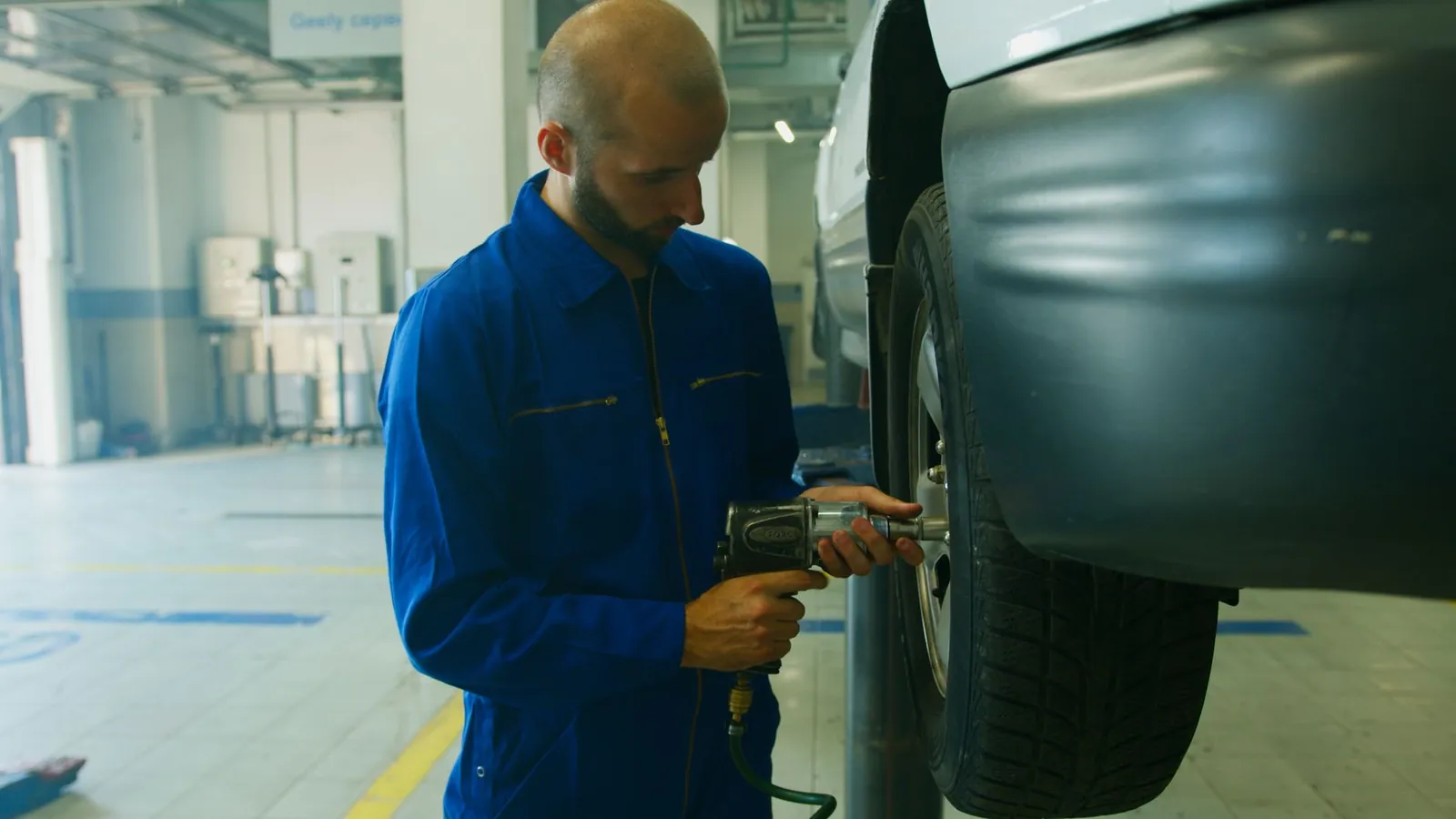
For a quick repair like swapping a wheel, a 1/2″ pneumatic wrench wins because it’s fast and you likely already have air. If it’s your first time buying one, start with a 1/2″ twin-hammer pneumatic — it’s forgiving, cheap to run, and covers most jobs. If you want the best possible result and money isn’t the limit, a high-torque cordless model plus a spare battery gives you power without a compressor.
The trade-off is always the same: pneumatic is cheaper and lighter but tied to a compressor, while cordless is free of hoses but heavier and pricier. Pick based on where you’ll actually work — a garage with air, or a driveway without it.
Size matters more than most buyers expect. A 3/8″ wrench handles interior work and small fasteners, but it won’t break loose a rusted lug nut. Step up to 1/2″ for wheels and suspension, and to 3/4″ or 1″ only if you’re working on trucks or heavy equipment.
The mistake is buying the biggest wrench you can afford. A 1″ impact on a small bolt either snaps the head off or strips the threads, and then you’re drilling out a broken stud in a driveway.
If you already own a compressor, stay pneumatic. If you don’t, price a cordless kit against a compressor, hose, and fittings before you decide — the cordless often costs less once you add it all up.
Rules that apply to any air impact wrench
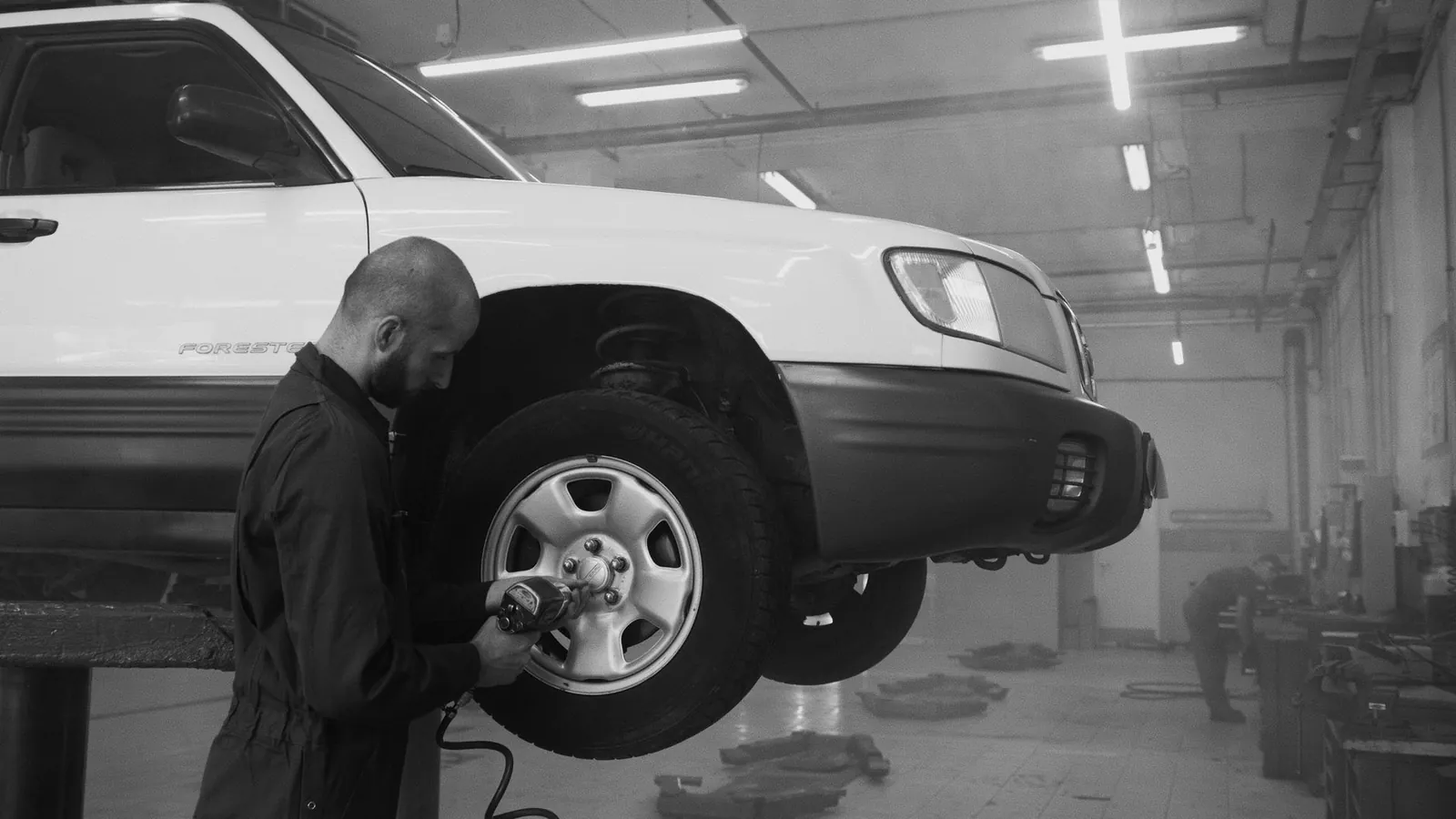
Whatever you choose, a few things don’t change. Match the tool’s CFM and PSI to your air supply, or the rated torque is meaningless — the tool’s own spec sheet lists the number.
Before you start, wear eye and hearing protection, and check that sockets are impact-rated. Partway through, stop and re-check torque on critical fasteners like lug nuts; over-tightening can warp a brake rotor or snap a stud. At the end, oil the tool, drain water from your compressor tank, and store it dry.
If a job involves structural, brake, or safety-critical fasteners, follow the vehicle maker’s torque spec and, where the law or warranty requires it, have a qualified mechanic sign off. Air tools can cause serious injury if a socket shatters, so never point one at yourself or anyone else.
Frequently asked questions
What size air impact wrench do I need for lug nuts?
A 1/2-inch drive handles most car lug nuts. Trucks and rusted bolts may need 3/4-inch. Trucks and rusted bolts may need 3/4-inch. Always finish with a hand torque wrench set to your vehicle’s spec.
How much air compressor do I need for an air impact wrench?
A 1/2-inch wrench typically needs about 4–5 CFM at 90 PSI. Check your tool’s spec sheet, since heavy-duty 3/4-inch and 1-inch models often need 8–12 CFM. A small pancake compressor usually can’t keep up.
Can I use a regular socket on an air impact wrench?
No. Use only impact-rated sockets, which are made of softer, tougher steel. Standard chrome sockets can crack or shatter under impact load and send sharp pieces flying.
Is an air impact wrench safe to use?
Yes, with protection. Wear eye and hearing protection, since noise can exceed 90 dB. Never use a cracked socket, and never point the tool at yourself. Follow the CDC’s NIOSH noise guidance for safe exposure.
Why does my air impact wrench feel weak?
Low air pressure or CFM is the usual cause. Check that your compressor delivers the tool’s rated CFM at 90 PSI, use a thick enough hose, and add a few drops of air tool oil before each use.
How often should I oil an air impact wrench?
Add 2–3 drops of air tool oil into the inlet before each use, and a few more after a long session. Skipping this wears the internal mechanism faster and cuts torque over time.
What happens if I over-tighten a lug nut?
You can stretch or snap the stud, warp a brake rotor, or make the nut impossible to remove later. Always finish lug nuts by hand with a torque wrench set to the vehicle maker’s spec.
Conclusion
Buy the wrench that matches your air supply and your most common job — that single check prevents most disappointing purchases.